How to Use AI to Win in Marketing (Without Creating AI Slop)
Why It Matters
AI isn't just a shortcut for better ads; it's a tool that can enhance your creativity or amplify weak ideas. Here’s what to consider:
Key Changes:
Cloning ads with AI results in bland, ineffective content.
Using AI for research and brainstorming leads to stronger strategies.
The focus shifts from simply making ads to thinking and guiding the creative process.
What Works:
Map out your audience, angles, and motivations before diving into creation.
Use AI to pinpoint what to test next, rather than just churning out more content.
Keep creative decision-making in human hands for quality.
Key Insight:
More AI content doesn’t equal better performance; better ideas and inputs lead to improved results.
Bottom Line:
Brands that thrive with AI will be those that think smarter, test more effectively, and create unique, targeted ads—not just the ones cranking out content the quickest.
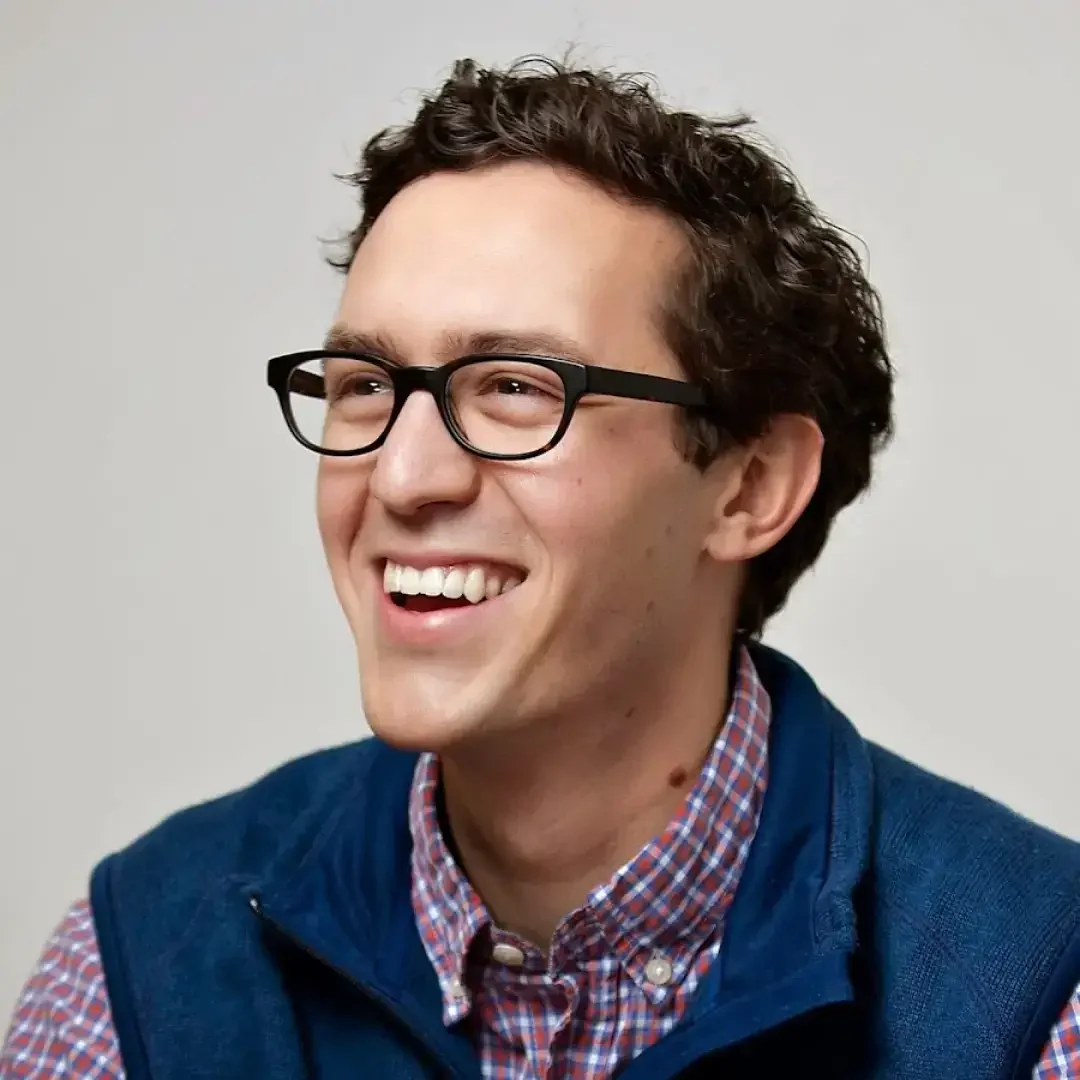
AI is quickly becoming table stakes in performance marketing but most brands are using it in ways that actively hurt their creative. This episode is a hands on walkthrough of how to use AI as a force multiplier, not a shortcut, led by Will Sartorius of Selfmade.co, an agency focused on AI personas and performance creative
Will breaks AI usage into two clear camps. The first is what most marketers default to: “Clone this ad for me.” It’s fast, cheap, and produces volume but it also drives sameness. Over time, everything blends together, and performance suffers.
The second approach is where AI actually shines: using it to do the thinking work research, synthesis, and structure, while humans handle the creative judgment. Will’s framework centers on PAM clusters (Persona, Angle, Motivation). Instead of guessing what to test next, AI helps map out which personas you’re targeting, which angles matter to them, and which motivations you haven’t explored yet. The result is clearer creative direction and fewer wasted iterations.
From there, the conversation gets practical. One of the most repeatable workflows discussed is converting winning statics into GIFs or short animations, which consistently outperform static images in clean A/B tests. This isn’t about reinventing creative and just adding motion where it matters.
Tool choice also matters. Will prefers Claude for higher-level creative thinking but relies on ChatGPT for prompt execution when ad copy accuracy matters. If the copy disappears or changes, performance tanks, so including every word of on-ad text in the prompt is non-negotiable.
Midjourney plays a supporting role, not a starring one. It excels at vibes, environments, and motion experiments, but it struggles with accurate product rendering. The solution? Generate the scene with AI, then swap in the real product using other tools. This approach allows teams to cut stock photos entirely while keeping output brand safe and realistic.
Perhaps the most important takeaway is the prompt feedback loop: generate → review → feed the output back into the model → ask for correction. Instead of manually tweaking prompts into madness, let the AI refine itself based on the results you actually see.
AI isn’t here to replace creative teams, it’s here to remove friction. When used correctly, it eliminates busywork, exposes creative gaps, and gives strategists clearer lanes to operate in. The brands that win won’t be the ones generating the most AI content, they’ll be the ones using AI to think better before they create.