Navigating Q4 2026: Insights from the Foxwell Founders & Northbeam Marketing Survey
Why It Matters
A new survey from Foxwell Founders and Northbeam shows marketers heading into the most unpredictable Q4 yet, with sentiment nearly evenly split: 32% more optimistic, 39% feeling the same, and 29% less optimistic than last year.
Meta still dominates: 76% name it their top revenue driver, and 69% expect it to deliver the biggest growth this quarter, far outpacing Google (17%) and Amazon (3%).
Rising CPMs and auction costs are the dominant worry, cited by 76% of respondents, more than double any other concern, overshadowing attribution clarity, inventory, and creative fatigue.
Planning is starting earlier (52% began in August), but spend scaling is being held back until October or November, a deliberate strategy to stay prepared without burning budget too soon.
AI adoption is nearly universal (97% use it for at least research or ideation), but confidence hasn't caught up: 52% call AI-generated ad results "mixed."
Meta's Andromeda rollout added friction rather than clarity: 38% say it's complicated creative testing and iteration, versus just 28% who say it's helped.
Authenticity is trending up, with 38% aiming for genuine, less discount-driven holiday messaging, and the creator market remains wide open, with most respondents still evaluating which models (micro-influencers vs. UGC) work best.
Daily tracking is the norm, with nearly 80% checking performance at least once a day, though 43% still rely on a manual spreadsheet for pacing despite the dashboard tools available.
Who This Is For
This is essential reading for Foxwell Founders members finalizing Q4 strategy right now, especially agency owners and brand marketers managing Meta-heavy budgets who are weighing when to scale spend against rising platform costs. If you're benchmarking your own sentiment, AI usage, or Andromeda experience against peers running similar budgets, this survey gives you the real numbers from over 600 marketing leaders managing $1B+ in monthly spend to calibrate against.
Ready or Not, Q4 2026 Is Unpredictable
If it feels like planning for Q4 gets more challenging every year, you’re in good company. As we prepare for Q4 2026, the pressure is on, the usual rules keep shifting, and a new survey from Foxwell Founders and Northbeam shows that marketers everywhere are expecting what could be the most complicated Q4 yet.
From AI-fueled ad platforms to Meta’s game-changing Andromeda rollout, and the ever-present economic jitters, this year’s survey paints a picture of an industry that’s both resilient and restless. Let’s break down the numbers, the trends, and what they mean for anyone looking to win at holiday marketing.
Who Took the Survey?
The Foxwell Founders community brings together agency professionals, brand leaders, and marketing strategists, many of whom manage significant digital advertising budgets. About 60% of respondents work at agencies, while 40 percent are brand marketers. Almost two out of three agencies and brands who answered the survey run with five people or fewer. Many agency teams handle between $150,000 and $500,000 each month, and one in four brands spends more than $1 million every month. These are small teams making a big impact.
Meta: Still the King of Revenue (and Growth Bets)
One number that really jumps out from the survey is just how dominant Meta remains. Seventy-six percent of respondents named Meta as their top driver of revenue. The pattern holds true for growth expectations as well. Sixty-nine percent of marketers think Meta will deliver the biggest revenue boost this quarter compared to last year’s Q4.
Google (17%) and Amazon (3%) round out the top three, but it’s clear that Meta remains the gravity center of digital revenue. As Figure 1 shows below, if you’re not paying attention to Meta’s moves, you might be missing out on the most important piece of the Q4 puzzle.
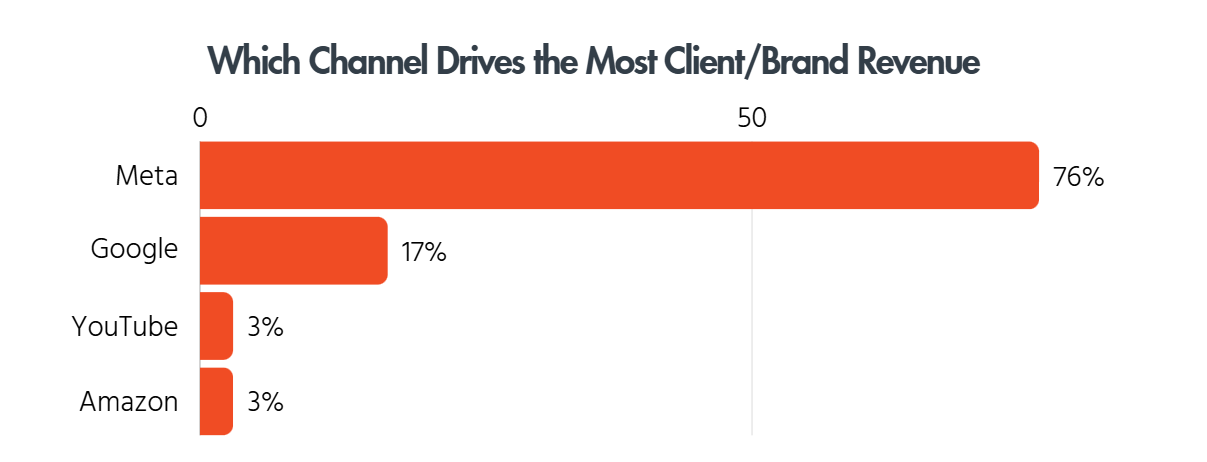
Figure 1. Channel ranked #1 for revenue production, combined agency + brand responses.
Sentiment: A House Divided (But Laser-Focused on Q4)
When asked how they feel about Q4 2026 compared to last year, the community is almost evenly split in a three-way tie: 32% are more optimistic, 39% feel about the same, and 29% are less optimistic.
Still, the importance of Q4 is undeniable. Over half the respondents (55%) call it “more important than other quarters but not make-or-break,” while 21% say it’s make-or-break for their business. Only 3% say it’s a slower season. (See Figures 2 and 3 for the full breakdown.)
Three out of four agencies are counting on Q4 to help make up for a slow start to the year for at least some of their clients. Brands are moving more carefully, but it’s clear that everyone feels the pressure right now.
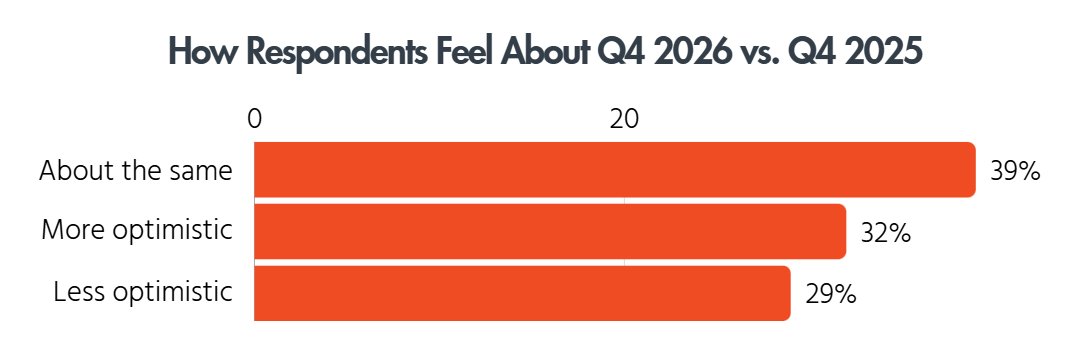
Figure 2. "How do you feel about this Q4 (2026) relative to last Q4 (2025)?" — combined.
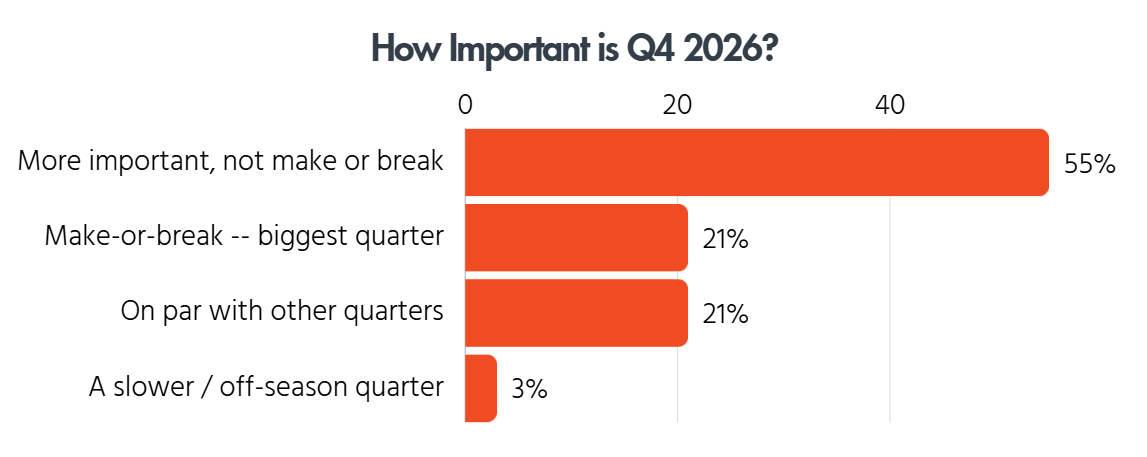
Figure 3. How respondents describe the importance of Q4 2026 to their business.
No fluff, no fads, just what works. 600+ marketing leaders managing $1B+ in monthly spend, comparing notes on exactly this.
Top Concerns: Rising Costs
If you had to sum up what’s keeping marketers up at night this Q4, it would be the cost of advertising: rising CPMs and auction prices are by far the biggest worry, with 76 percent of respondents naming them as their top concern, more than twice as many as any other issue. Tight budgets, the risk of spending too much or too little, and softer consumer demand are also on people’s minds, but nothing comes close to the pressure of rising platform costs (See Figure 4).
While challenges like attribution clarity, inventory problems, and creative fatigue are definitely part of the landscape, they matter less right now compared to the pressure on budgets.
Asked about the biggest macro shift since last year, higher platform costs and tighter budgets/margins led the way, while the rise of AI answer engines (AEO) is now starting to register as a notable change (see Figure 5).
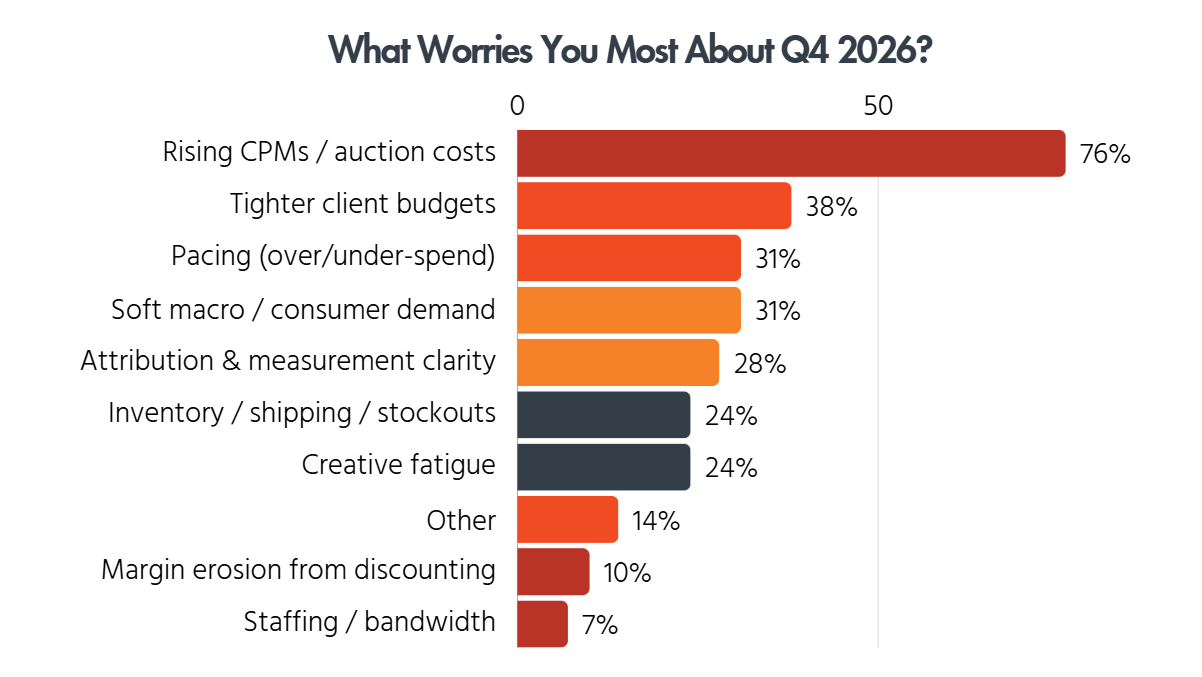
Figure 4. Top concerns for Q4 2026, multi-select (respondents could select multiple).
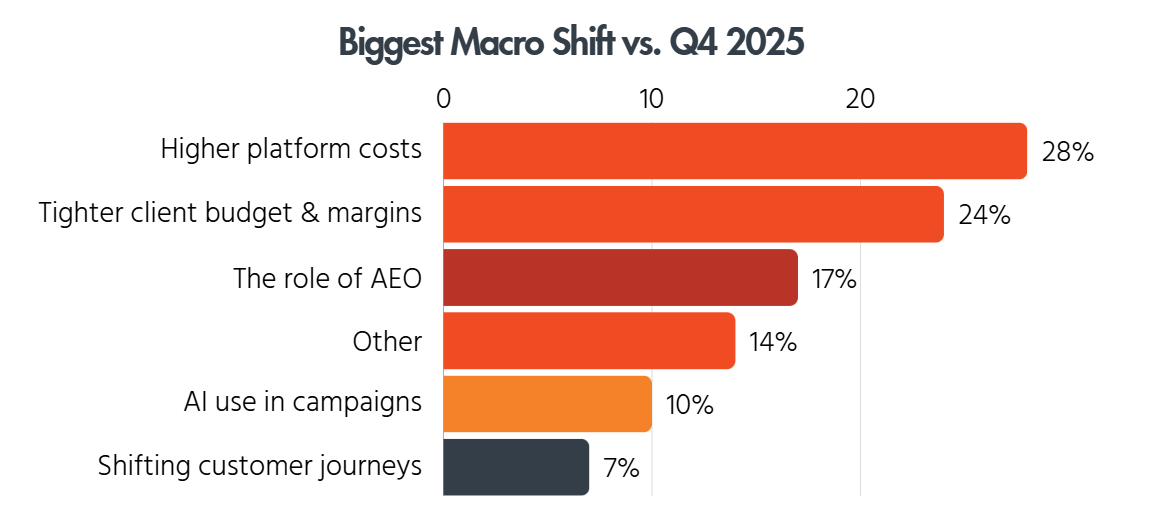
Figure 5. Biggest perceived macro shift, Q4 2026 vs. Q4 2025.
How (and When) Marketers Are Planning
If you’re curious about when your peers start prepping for Q4, the answer is: earlier than you might think. More than half (52%) began planning in August, with another 17% starting as early as July. But when it comes to actually scaling holiday spend, most wait until October (41%), while a significant group holds off until November.
Many marketers are choosing to plan early but hold off on spending until later. It’s a smart way to reduce risk by being prepared without using up the budget too soon. Figures 6 and 7 in the report show these timelines clearly.
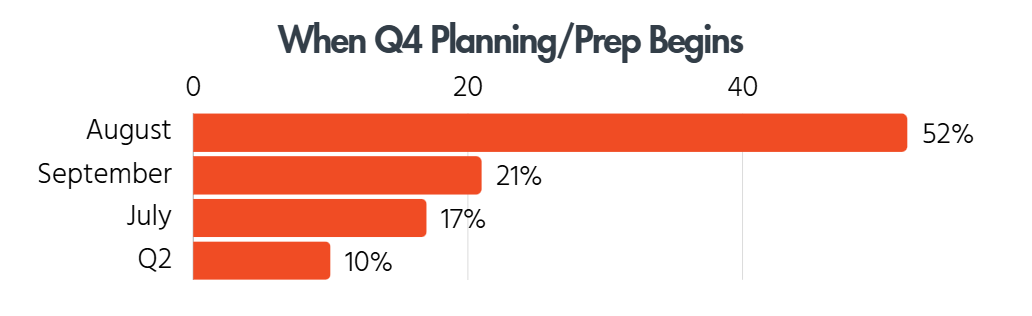
Figure 6. When Q4 planning/prep begins.
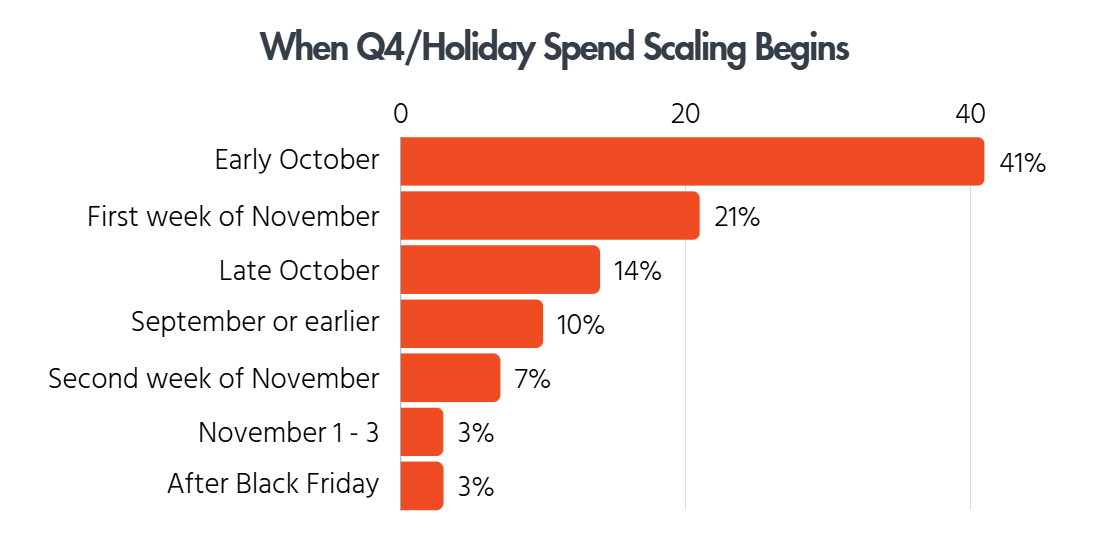
Figure 7. When Q4/holiday spend scaling begins.
What’s New in 2026: AI, Authenticity, and More Early Action
What really stands out about Q4 2026 is how much more marketers are using AI to create content. Almost half of those surveyed say they rely on AI to help increase the amount of creative they produce. There is also a clear trend toward more genuine messaging, with 38% aiming for holiday and gifting campaigns that feel real instead of just focusing on discounts or sales.
Other new tactics gaining traction: starting or scaling spend earlier in the fall, doubling down on evergreen creative, testing new offers in Q3, and pre-scheduling campaigns to avoid mid-quarter surprises. Figure 8 offers a handy overview of these evolving strategies.
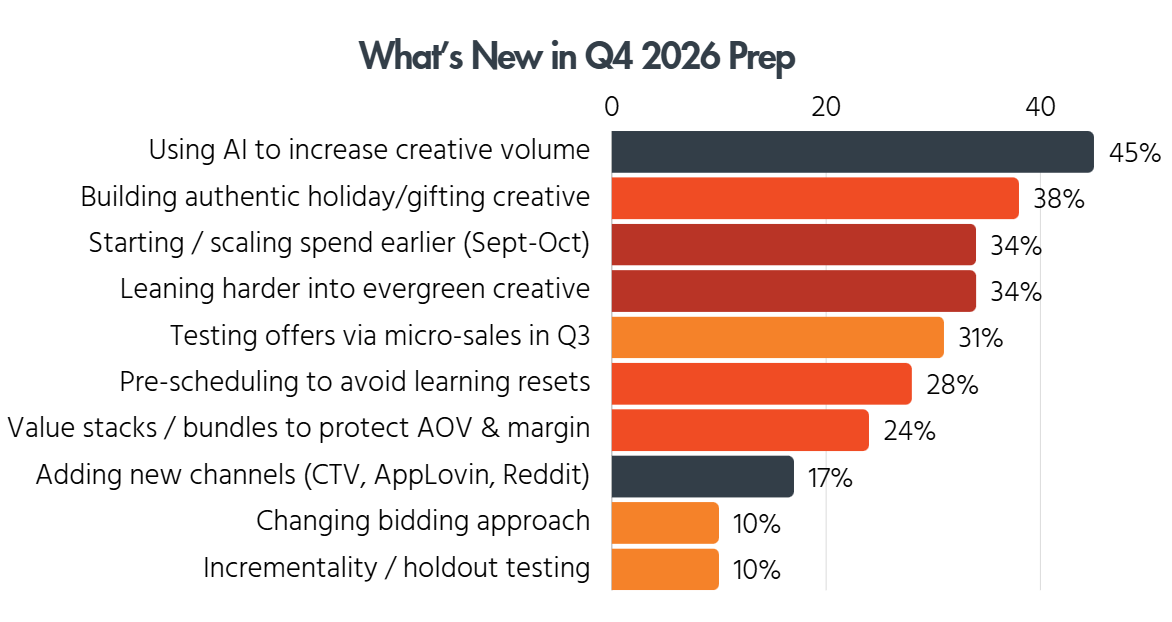
Figure 8. New Q4 2026 preparation tactics, multi-select.
Emails worth reading. The Foxwell Digital Download is valuable, real, and actionable, no spam, no fluff.
How Success Gets Measured (And Tracked Daily)
The Q4 scoreboard is checked early and often. Nearly 80% of respondents review performance daily or even multiple times a day. On a monthly basis, year-over-year revenue growth is the gold standard of success (72% cite this), followed by blended MER/ROAS, new customer acquisition, and hitting annual revenue goals.
| Daily metric tracked | Share of Respondents |
| ROAS | 72% |
| CPA / CAC | 66% |
| AOV | 55% |
| MER (blended) | 52% |
| Conversion rate | 48% |
| New-customer CPA | 41% |
| Spend pacing vs. target | 34% |
| Contribution margin / profit | 28% |
Despite all the dashboards and automation platforms out there, 43% still rely on a trusty manual spreadsheet for daily pacing, while others have moved to automated dashboards or in-house BI tools. (See Figure 9 for details.)
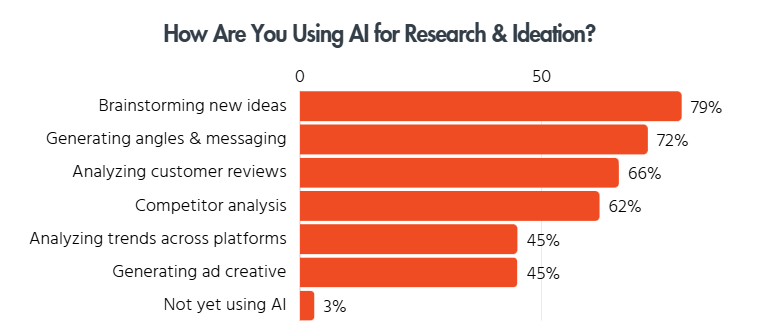
Figure 9. Current uses of AI for research and creative ideation, multi-select.
AI: Universal Adoption, Mixed Feelings
AI is showing up everywhere in Q4 planning. Nearly everyone surveyed (97%) is using AI at a minimum for research or idea generation. Most people report turnng to AI for brainstorming, testing different messages, or analyzing what customers are saying in their reviews. But confidence in AI output is still catching up: 52% say results are “mixed” when it comes to AI-generated ads. Only a small share report clear outperformance by AI, while others feel it’s on par or lagging behind human creative.
Figure 10 shows this mix of feelings perfectly. Creative teams are facing more work than ever. They need to produce more, keep up with changes in AI, and get their messaging right. All of this is happening while the tools they rely on are still changing under their feet, as Figure 11 makes clear.
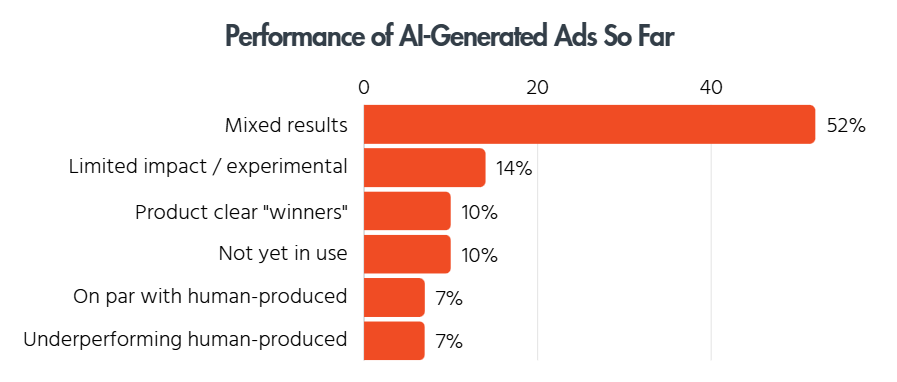
Figure 10. Performance impact of AI-generated ads reported by respondents.
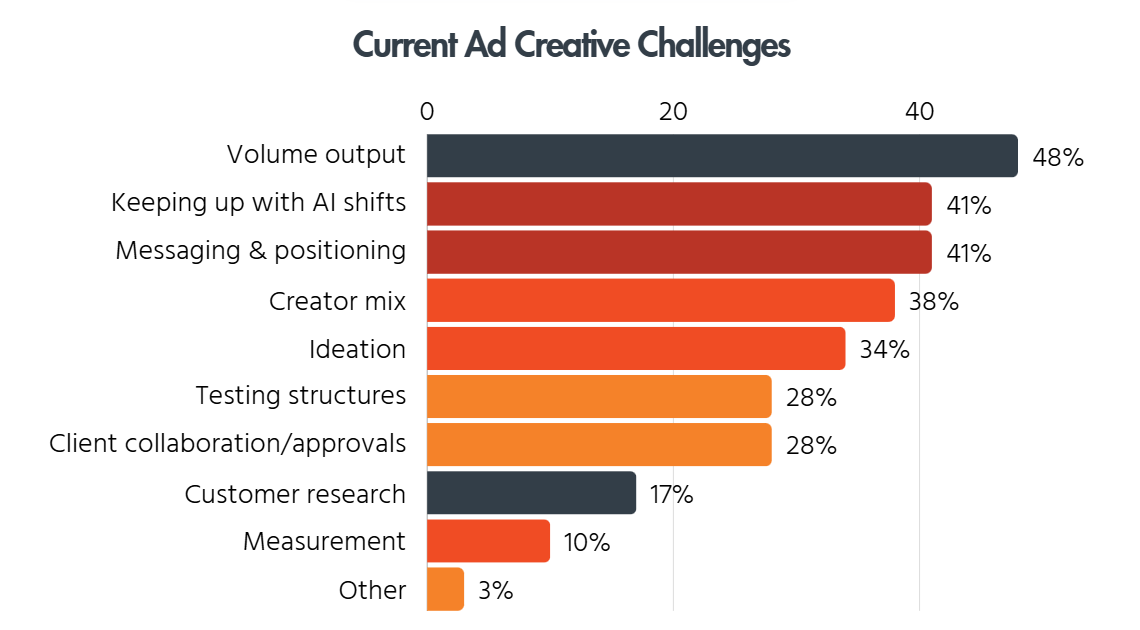
Figure 11. Current challenges with ad creative, multi-select.
Meta’s Andromeda: More Complication Than Clarity
Meta’s Andromeda update added complexity rather than clarity. More respondents say it’s complicated the creative testing and iteration process (38%) than those who say it’s helped (just 28% in total). A third of respondents say it’s made no difference at all.
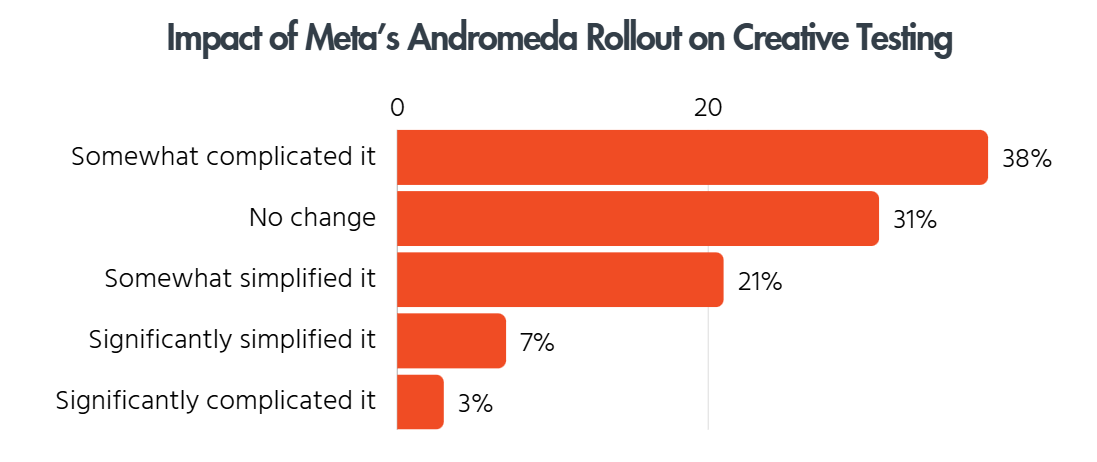
Figure 12. Effect of Meta's Andromeda rollout on creative testing/iteration.
The Creator Market: Still Wide Open
If you’re waiting for a clear winner to emerge in the creator economy, you’ll have to keep waiting. The most common answer from respondents was that they’re “still evaluating” which models work best, with micro-influencers and UGC creators each getting a quarter of the vote. The market is still finding its footing.
Key Takeaways: What Q4 2026 Is Really About
Meta remains the main force behind both revenue and growth for marketers. If you are talking about Q4 strategy, this is where the discussion begins.
Cost pressure tops the list of concerns. Rising CPMs and shrinking margins worry marketers even more than softer demand does.
Marketers are starting their planning early but waiting to spend. They want to give themselves a buffer, so most are holding off on budget allocation until later when holiday purchasing & gifting intent is highest.
Authenticity is becoming more important than ever. Holiday campaigns are shifting away from hard-sell tactics and focusing on creating genuine connections with customers.
AI is everywhere right now, but trust in its impact is still catching up. Nearly everyone is trying it, though people are still deciding if it will truly change the game.
Teams are focused on steady daily discipline and aiming for growth each month. They track efficiency every day, but the ultimate goal is always to increase revenue.
About the Survey Partners
Foxwell Founders is a thriving digital marketing community of over 600 marketing leaders managing over $1B in monthly spend. Their blend of generosity, honesty, and deep expertise makes their insights especially valuable. If you’re not following their work, you probably should be.
Northbeam provides marketing analytics and measurement tools that help brands and agencies get the most out of every dollar. Their first-party data approach is at the forefront of attribution and performance tracking.
Final Thoughts
Q4 2026 is shaping up to be a quarter where agility, creativity, and a willingness to test (and test again) will separate the winners from the rest. The figures and feedback from the Foxwell Founders and Northbeam survey show a field that’s hungry to adapt, eager to connect with consumers, and more than ready to tackle whatever surprises the season throws their way.
Here’s hoping Q4 brings smart moves, strong results, and maybe even a little less uncertainty than we saw last year.
Not ready to join the Founders community? Get the knowledge without the seat. Members get the chat, subscribers get the corpus, same data, different surface area, designed for the people who'd rather query than scroll.